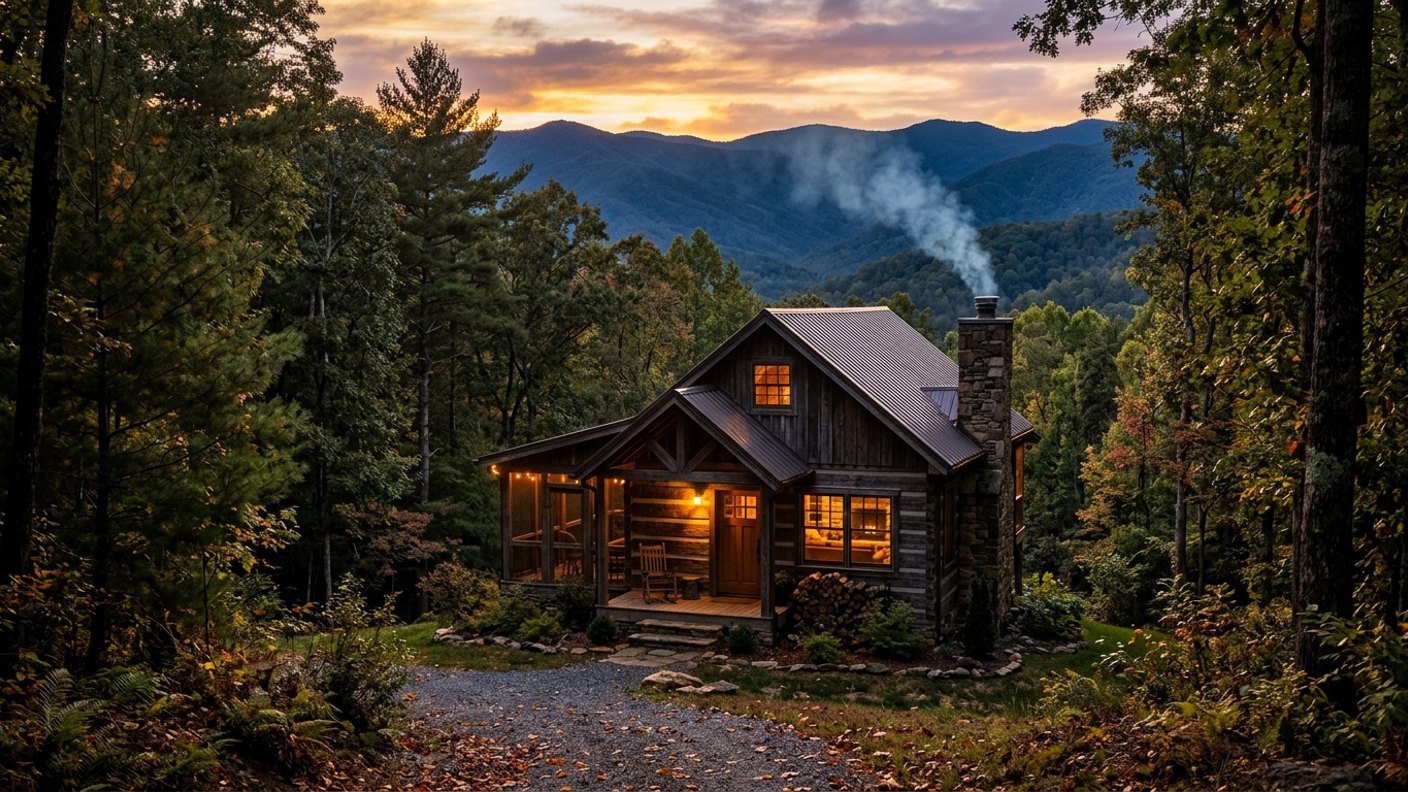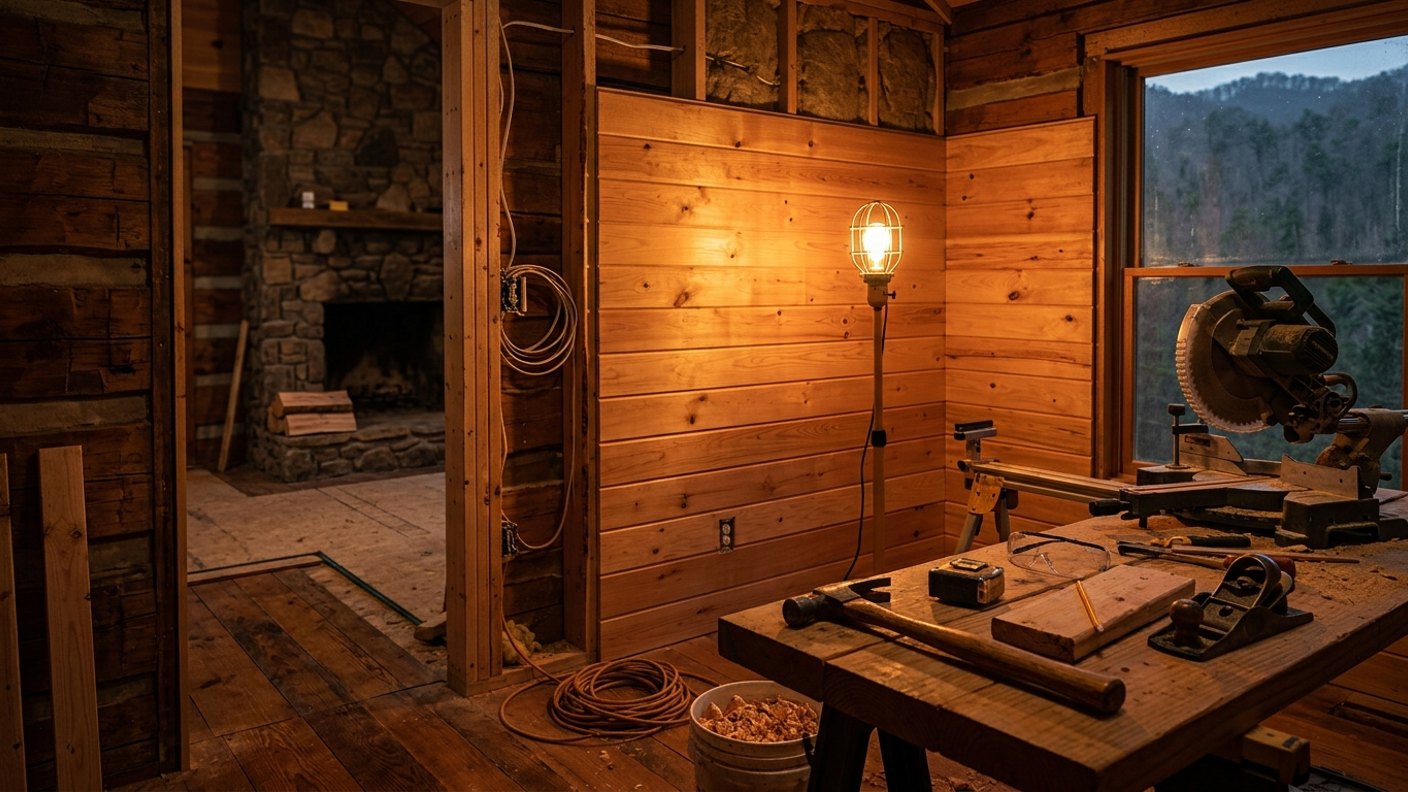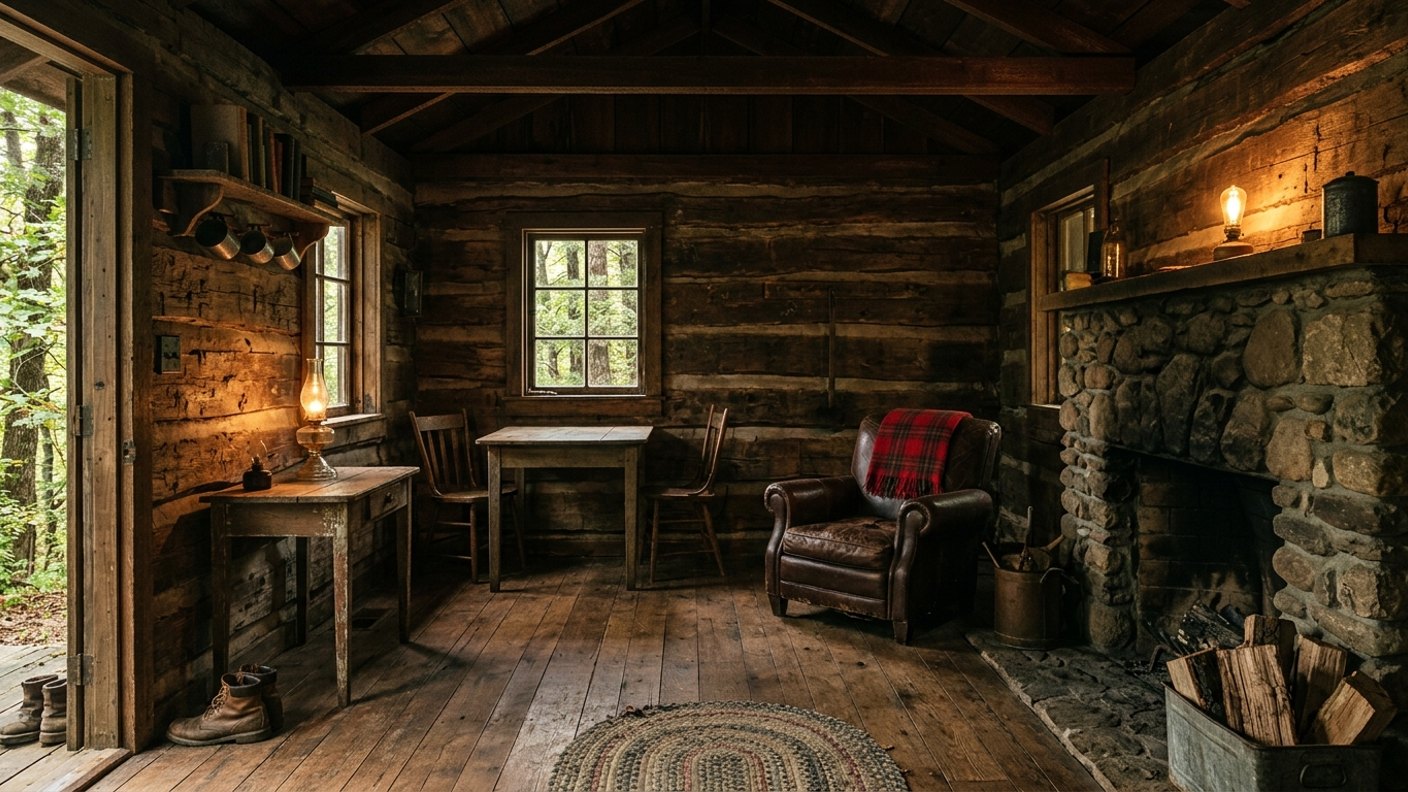
Most cabins I look at, I walk away from. I'll see fifteen or twenty before I buy one, and I rarely go past about 900 square feet, a cabin you can heat with a single stove. People assume I buy anything with a woodstove and a view, but the truth is the opposite. I'm picky, because the wrong cabin is a money pit wearing a charming roof, and I've owned enough to know the difference. Choosing which cabins to buy is most of whether this works as a living. Here's how I decide.
Location You Can't Fix
I start with location, because it's the one thing about a cabin I can never change. A cabin in a desirable, accessible area with real year-round or strong seasonal demand is worth far more than the identical cabin somewhere nobody wants to be. Good location drives both resale and rental income; bad location undermines even a beautiful renovation. I can fix almost everything about a cabin except where it sits, so where it sits comes first.
Bones Before Beauty
Next I look hard at the bones, foundation, frame, roof, and any sign of water and rot. These are the expensive, sometimes fatal problems, and they're what I'm really buying or avoiding. A cabin can look rough and have perfect bones, or look charming and be quietly rotting. I've trained myself to ignore the cosmetics on a first pass and read the structure, because that's where the real money and risk live.
Fixable Versus Fatal
The core judgement is sorting fixable problems from fatal ones. Dated finishes, a tired kitchen, bad lighting, ugly everything, all fixable, often cheaply, and usually why the cabin is cheap in the first place. Failing foundation, end-of-life roof, extensive rot, dangerous systems throughout, potentially fatal, or at least budget-eating. The ideal buy is ugly but sound: lots of fixable, little or no fatal. That's the cabin worth saving.
Run the Real Numbers
Before I get attached, I run the numbers purchase price plus a realistic full renovation budget, including the unglamorous systems and a serious contingency for the surprises old cabins always hide, against the finished value or the rental income. If the math only works in a best case, I'm cautious or out. Conservative numbers before buying are what keep this a living instead of a slow way to lose money.
Access, Water, and Systems
I check the practical realities that don't show in photos, can you actually get to it year-round, is there a viable water source, what's the state of power and septic or their off-grid potential. A cabin with terrible access or no water is a much harder, costlier project than its price suggests. These boring logistics decide whether a cheap cabin is a bargain or a trap, so I never skip them.
The Layout Test
I read the layout for whether it can become something people want to live in, a workable flow, the potential for a good main room, somewhere a kitchen and bath make sense. I can change finishes easily, but a fundamentally broken layout is expensive to fix. A cabin whose layout already roughly works, just needs updating, is far cheaper to bring back than one that needs rethinking from the studs.
Picture It Finished
Once the structure, numbers, and logistics check out, I let myself picture it finished, warm sconces on the wood, a pendant over the table, the stove going, the whole place glowing. Being able to see the warm, livable cabin inside the sad one is part of choosing well. But, and this matters, only after the boring checks pass. The vision is the reward for the diligence, not a substitute for it.
Knowing When to Walk
The most important skill is walking away, from bad locations, fatal structures, hidden money pits, and numbers that don't work, no matter how charming the cabin is. The deals I didn't do have protected me as much as the ones I did. A cabin that fails the location, bones, or numbers test isn't a good buy, however much I like it. Most of choosing the right cabins is having the discipline to say no to the wrong ones.
Gear & lighting in this post: warm wall sconces and a wood pendant