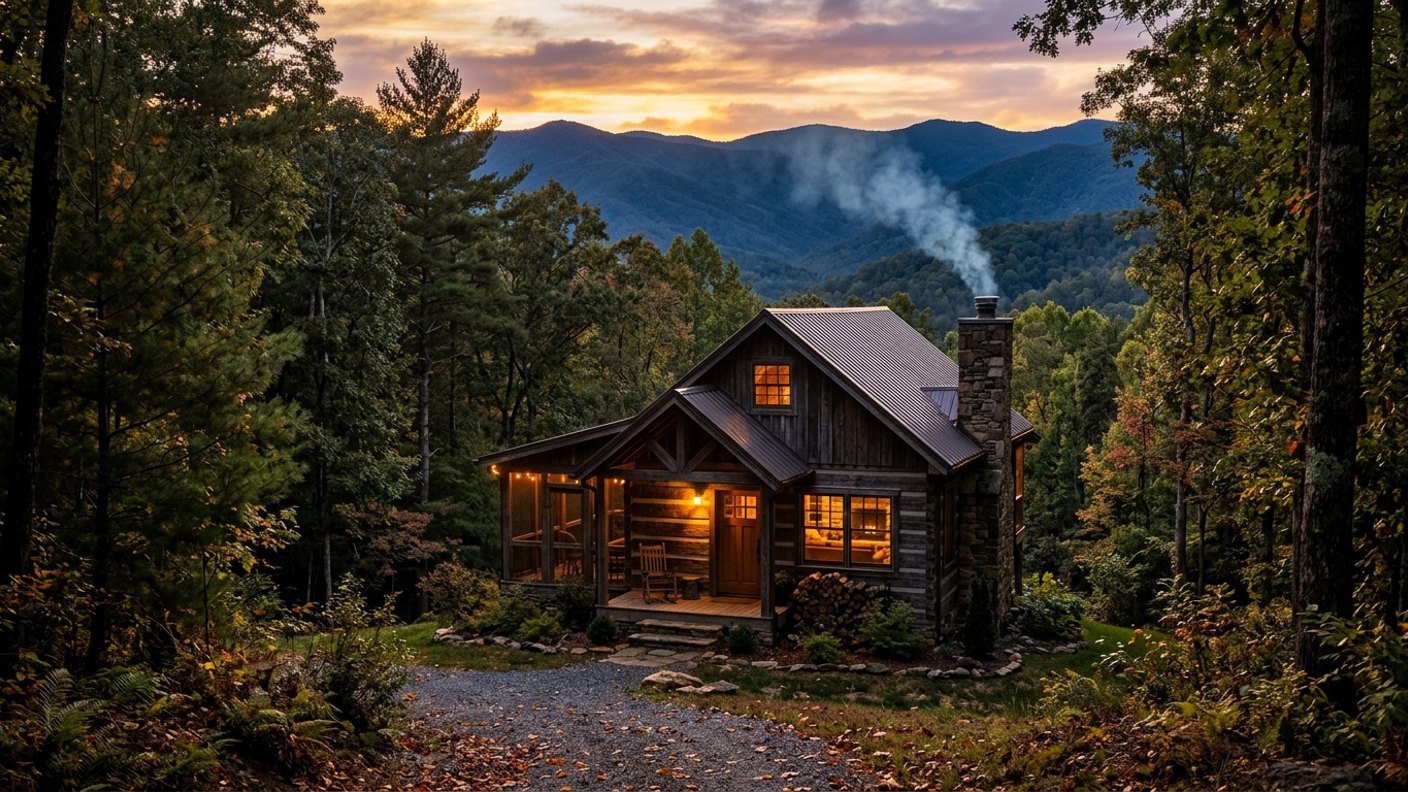
People hear 'divorced guy living alone in a cabin he rebuilt' and picture a sad story. It's 740 square feet, one wood stove, and the quietest I've ever been. It isn't one. Living alone in a cabin I brought back with my own hands has been one of the better things to happen to me, not the lonely cautionary tale people expect. Here's what it's actually like. The solitude, the seasons, the practicalities, and what the quiet has taught me.
Solitude Isn't Loneliness
The first thing to clear up: solitude and loneliness aren't the same thing, and cabin life taught me the difference. Living alone here is quiet and self-contained, but it hasn't been lonely. It's been peaceful, especially because I chose it and stay connected to a community down the mountain. For someone comfortable with their own company, the solitude is a feature, not a cost. The quiet gives back more than it takes.
The Seasons Run Your Life
Living in a cabin, the weather and the seasons set the agenda in a way they never did in the suburbs. Winter means firewood and watching the forecast; spring means mud and repairs; summer is the porch; fall is splitting wood for the next winter. I answer to the seasons now instead of a calendar of meetings, and there's something deeply grounding about a life shaped by real, physical rhythms rather than artificial ones.
You Are the Maintenance Department
Alone in a cabin, especially a rural or off-grid one, you handle everything. The stove, the systems, the repairs, the weather damage. That self-reliance is demanding and, satisfying. I've learned to fix nearly anything because there's no one else to call up here, and the competence that builds is its own reward. Cabin life asks you to be capable, and rises you to meet it. The work keeps you sharp.
The Cabin Has to Actually Work
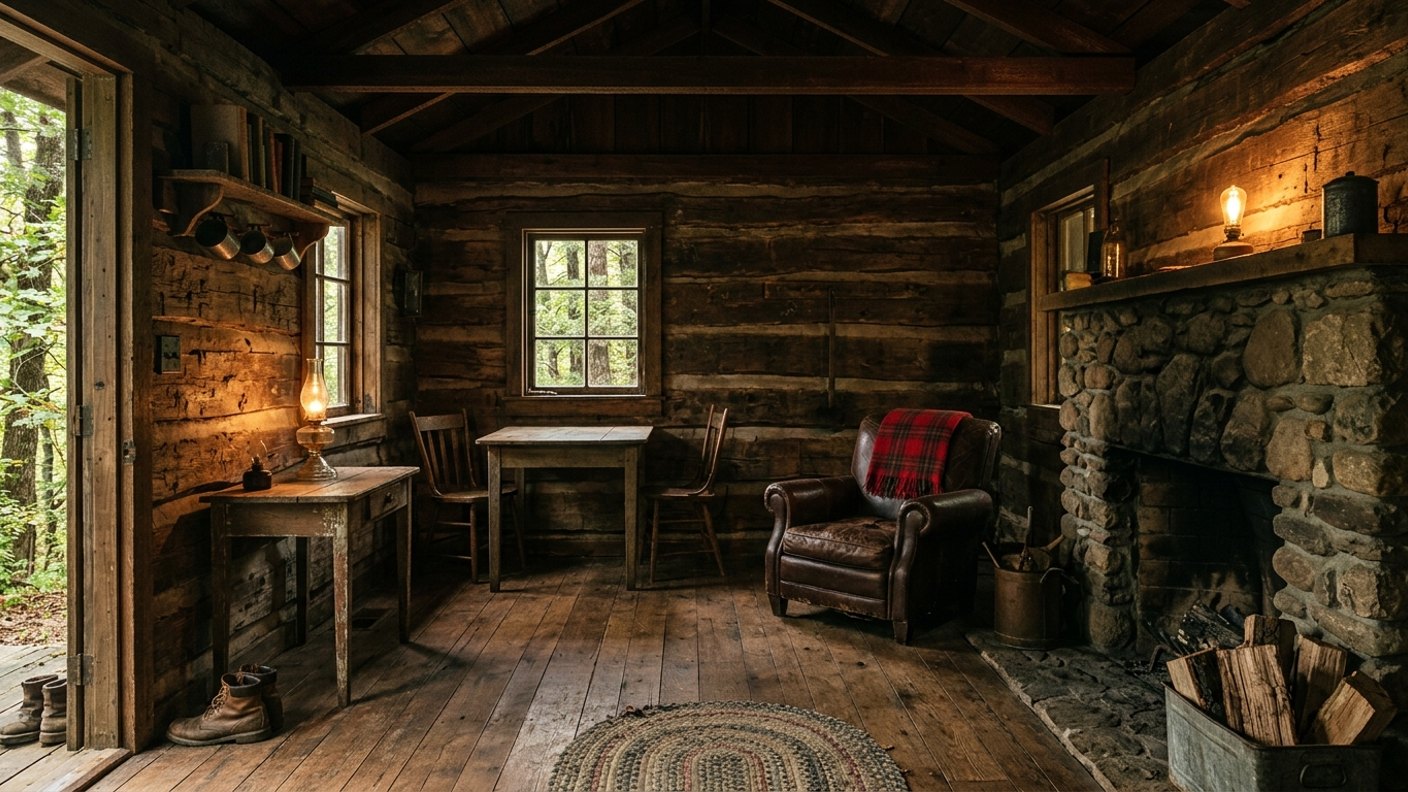
Full-time cabin living only works if the cabin is set up for real life, not a weekend fantasy, reliable heat, water. And power, real insulation, a functional kitchen and bath, good storage, warm lighting. The romance evaporates fast in a cold, half-finished cabin in February. Because I renovated mine to actually live in year-round, the daily reality is comfortable, which is what makes the life sustainable rather than a hardship.
Warmth Is Everything in Winter
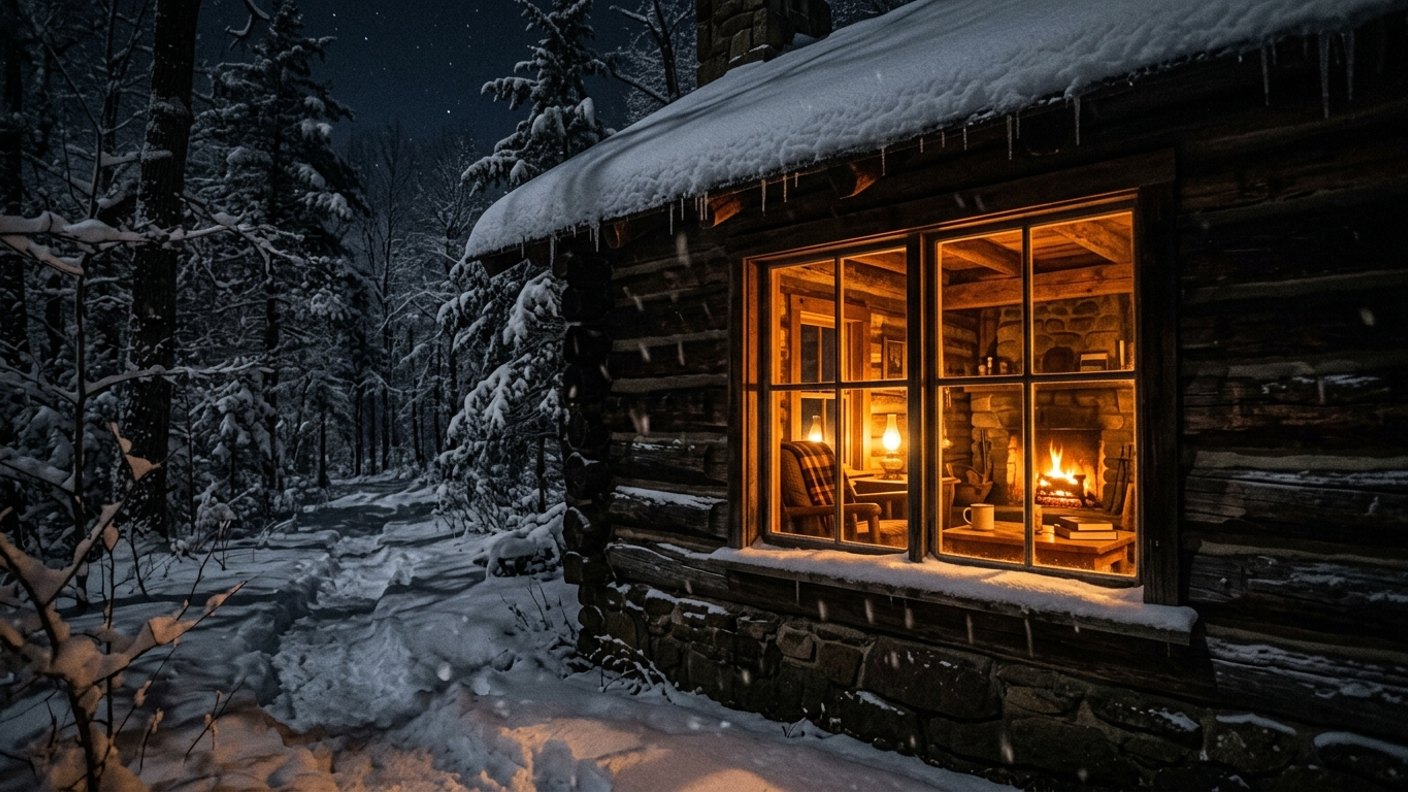
Winter alone in a cabin is wonderful if you're warm and grim if you're not, so warmth runs the cold months. The wood stove is the heart of it, backed by a well-sealed, insulated building, and then warm lamps and cozy textiles add the felt, psychological warmth on top. A warm, glowing cabin on a snowy night alone is one of the best feelings I know. Get the warmth right and winter solitude becomes a pleasure, not an endurance test.
Evenings Are the Best Part
My favourite hours are the long winter evenings, fire going, a reading lamp on, a book, the quiet. The warm layered lighting I'm always going on about earns its keep most here, turning a dark cabin into a glowing refuge for one. These evenings, which I once dreaded as 'alone,' have become the part of the day I look forward to. The cabin is at its best, and so am I, after dark in the warm light.
What the Quiet Teaches
The biggest surprise has been what the quiet teaches you when there's no one else and no noise to hide in. You get honest with yourself, you slow down, you notice things. After a life that was always full and somehow never settled, the cabin's quiet has been clarifying in a way I didn't know I needed. It turns out solitude, in the right place, is less an absence than a kind of room to think.
It Suits Me
This life doesn't suit everyone, and I'd never pretend it's a cure for anything. But living alone in a cabin I rebuilt, shaped by the seasons, warm by the fire, capable and quiet. It suits me, more than the life I had before did. The story people expect to be sad is, in fact, the happiest I've been. The cabin gave me somewhere to live that finally feels like mine.
Gear & lighting in this post: warm table lamps and wall-mounted reading lamps