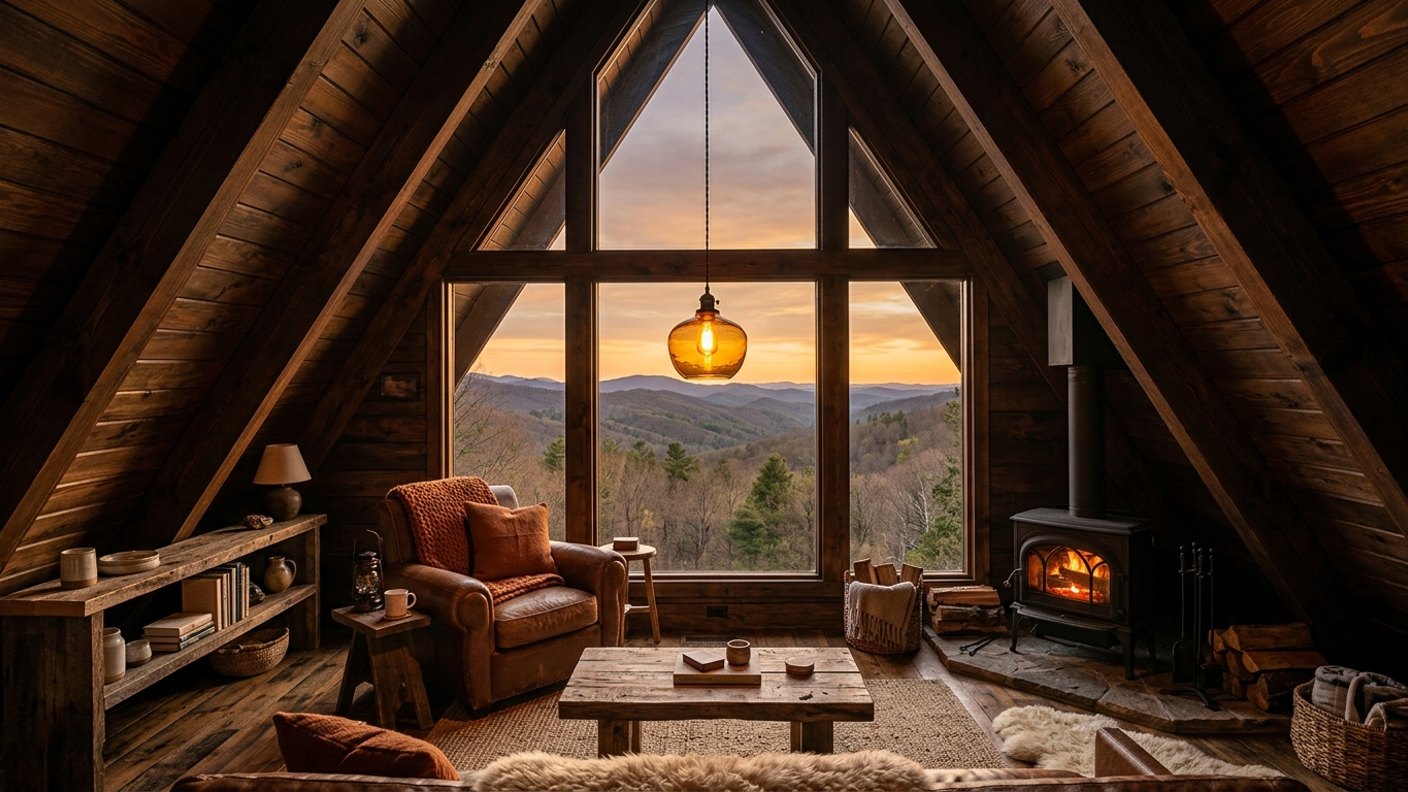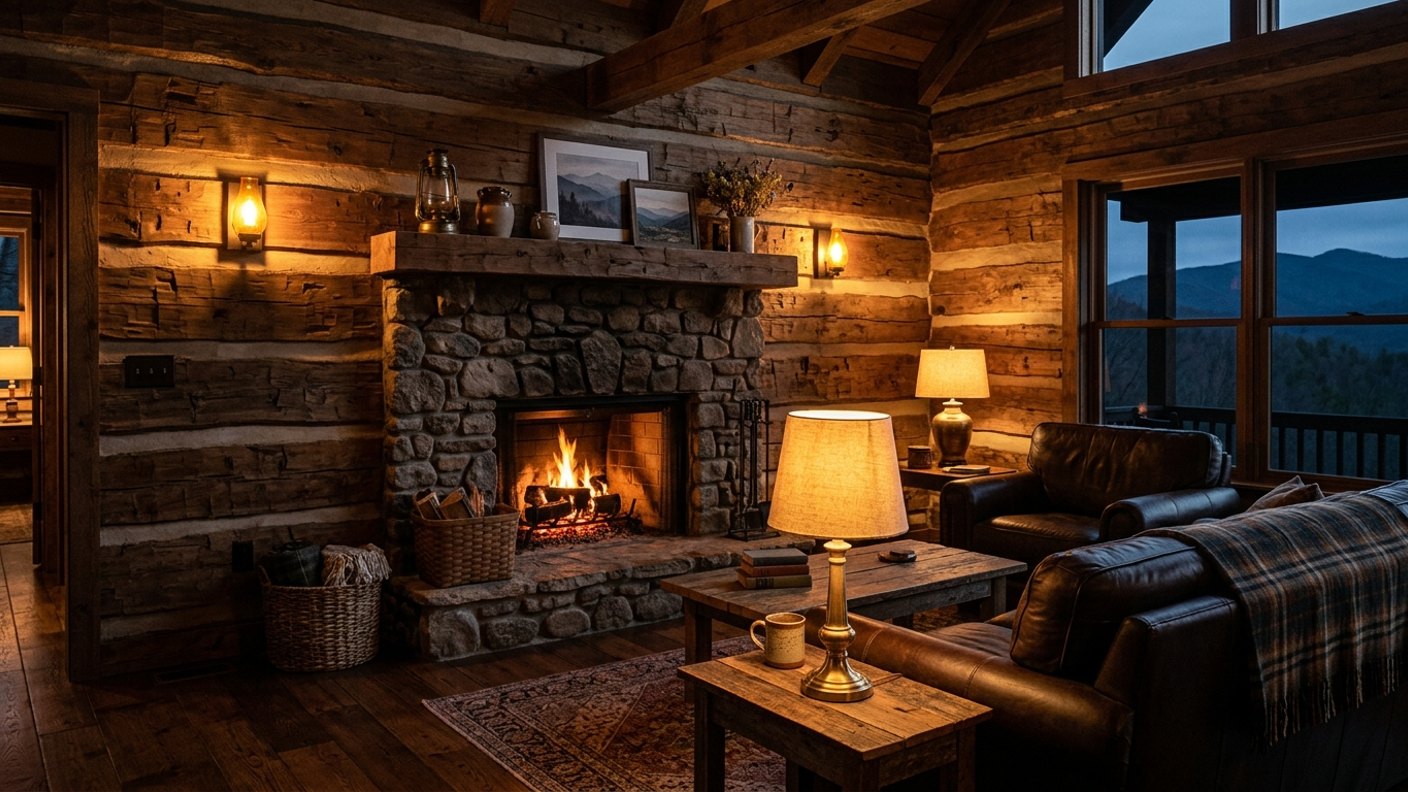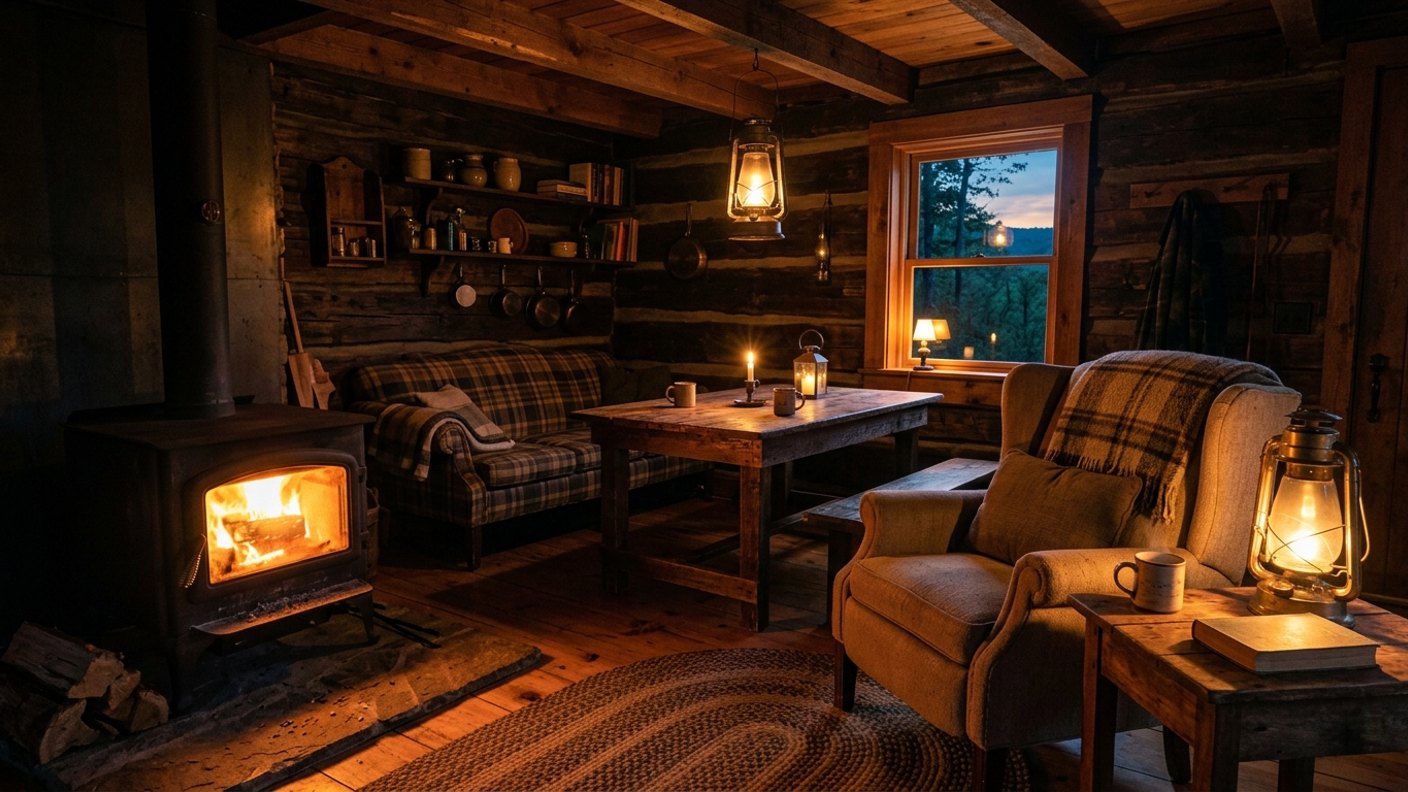
An off-grid cabin is a different animal, and I learned that the expensive way. The power, water, and heat systems alone can run $15,000 to $30,000 before you've touched a single cosmetic thing. A normal cabin renovation, the grid quietly handles power and the town handles water and you only think about them when the bill comes. Off-grid, you are the utility company, and nothing pretty happens until the boring systems work. Here's how I bring an off-grid cabin back to life, in the order that actually matters.
You Are the Utility Now
The mental shift is everything: off-grid, you're solving four problems the grid normally solves for you, power, water, heat, and waste. Until those four are reliable, the cabin isn't a home, it's a project with a nice view. So I get all four working and dependable before I let myself think about flooring or finishes. Systems first, pretty second, no exceptions.
Power: Solar, Batteries, and Restraint
Power usually means a solar array charging a battery bank, sized to what the cabin actually uses, with a generator for backup when the sky stays grey for a week. But the real trick isn't more panels. It's needing less power. Efficient appliances, LED everything, and low-draw lighting shrink the whole system you have to buy and maintain. Cutting demand is cheaper than adding capacity, every time.
Lighting That Ignores the Grid
Here's where off-grid life and good design happen to agree. A lot of my off-grid lighting doesn't touch the electrical system at all, rechargeable and battery-operated sconces that I charge off the system (or in town) and place anywhere. They sip power, need no wiring run through a log wall, and put warm light exactly where I want it. In an off-grid cabin, cordless warm lighting isn't a compromise. It's the smart answer and the right look.
Water: The Hard One
Water is where off-grid cabins humble you. A well, a spring, or rain catchment, all with real filtration, and all needing to work in February. A source with reliable year-round flow is worth paying for, because running out of water in a cold snap is a genuine problem, not an inconvenience. I spend more time and money on water than anything else, and I've never regretted it.
Heat and Cooking
Heat is the easy one, thankfully. A good wood stove handles warmth and a fair bit of cooking, propane covers the rest, and suddenly the cabin is habitable through a Blue Ridge winter. After the headaches of power and water, getting heat right feels like a gift. A well-set wood stove is the heart of an off-grid cabin in every sense.
Waste, Quietly
Nobody wants to talk about it, but waste, a septic system or a good composting toilet, has to be sorted before the cabin's livable. And it's not the place to cut corners. Get it designed and installed properly once. It's the least glamorous line item in the whole renovation and one of the most important, so I just handle it early and stop thinking about it.
Then, Finally, the Cabin
Only once power, water, heat, and waste are dependable do I let myself renovate the actual cabin, floors, walls, the kitchen, the warm layered lighting, the comfort. And it's all the sweeter for the wait, because now it's a real home that happens to make its own power. Doing it in this order is the difference between an off-grid cabin that works and an expensive cautionary tale.
Keep It Simple
The last lesson: every system you add is a system you maintain, alone, often in bad weather. So I keep everything as simple and tough as it can be. The most reliable off-grid cabins aren't the most elaborate ones. They're the ones whose owner can fix everything on them. Simplicity is a feature when you're the whole maintenance department.
Gear & lighting in this post: rechargeable wall sconces and battery-operated sconces