Most cabin lofts are wasted space, and it's always the same reasons: too low to move in, too dark to enjoy, too hot at night. And reached by a ladder that's a genuine hazard at 2am. A loft needs about 7 feet of headroom to truly use, and swapping the ladder for a proper staircase runs $2,000 to $4,000. People build a loft because the volume's there, then never actually use it. Reworking a loft so someone wants to be in it is one of the highest-value things you can do in a small cabin. Here's how I do it.
Headroom Is Everything
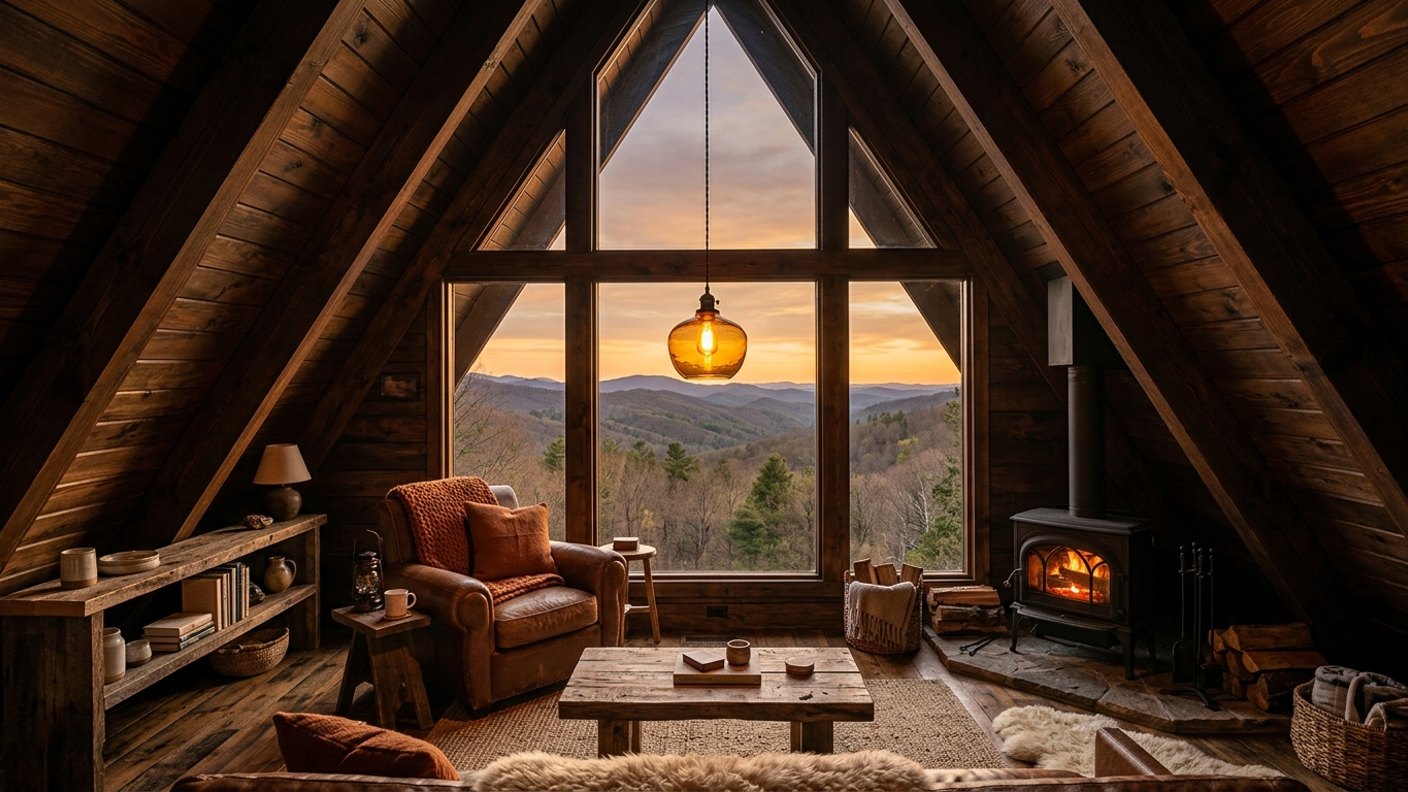
The single biggest improvement to almost any loft is headroom, so I chase it however I can, raising a ridge where the structure allows, lowering the loft floor, or at minimum arranging things so there's standing room at the centre and easy sitting-up room at the bed. A loft you can't move in without stooping is a loft you'll stop climbing to. Even a little more head height transforms how usable it feels.
A Safe Way Up
The ladder is usually the reason a loft goes unused. It's awkward with anything in your hands and dangerous half-asleep. Wherever I can fit even a compact or alternating-tread staircase, I put one in, because a safe, comfortable way up is what turns a loft from a novelty into real space. If a ladder truly has to stay in a tiny cabin, I make it as solid and well-anchored as possible.
Open the Railing
A heavy, solid loft railing boxes in an already-tight space, so I use a railing that's properly safe but visually open, simple, low-profile, letting light and sightlines through. The loft feels connected to the room below and far less cramped, while still meeting the safety it has to. An open railing is one of those small choices that makes a small loft breathe.
Get Light Up There
Lofts are dark because they're tucked under the roof, so I fight for natural light, a gable window, a skylight, anything that brings daylight into the space. A loft with a window to wake up to is a place people want to sleep; a dark cave under the rafters is not. Where the structure allows, glazing in a loft pays for itself in how much the space actually gets used.
Lighting That Doesn't Steal Headroom
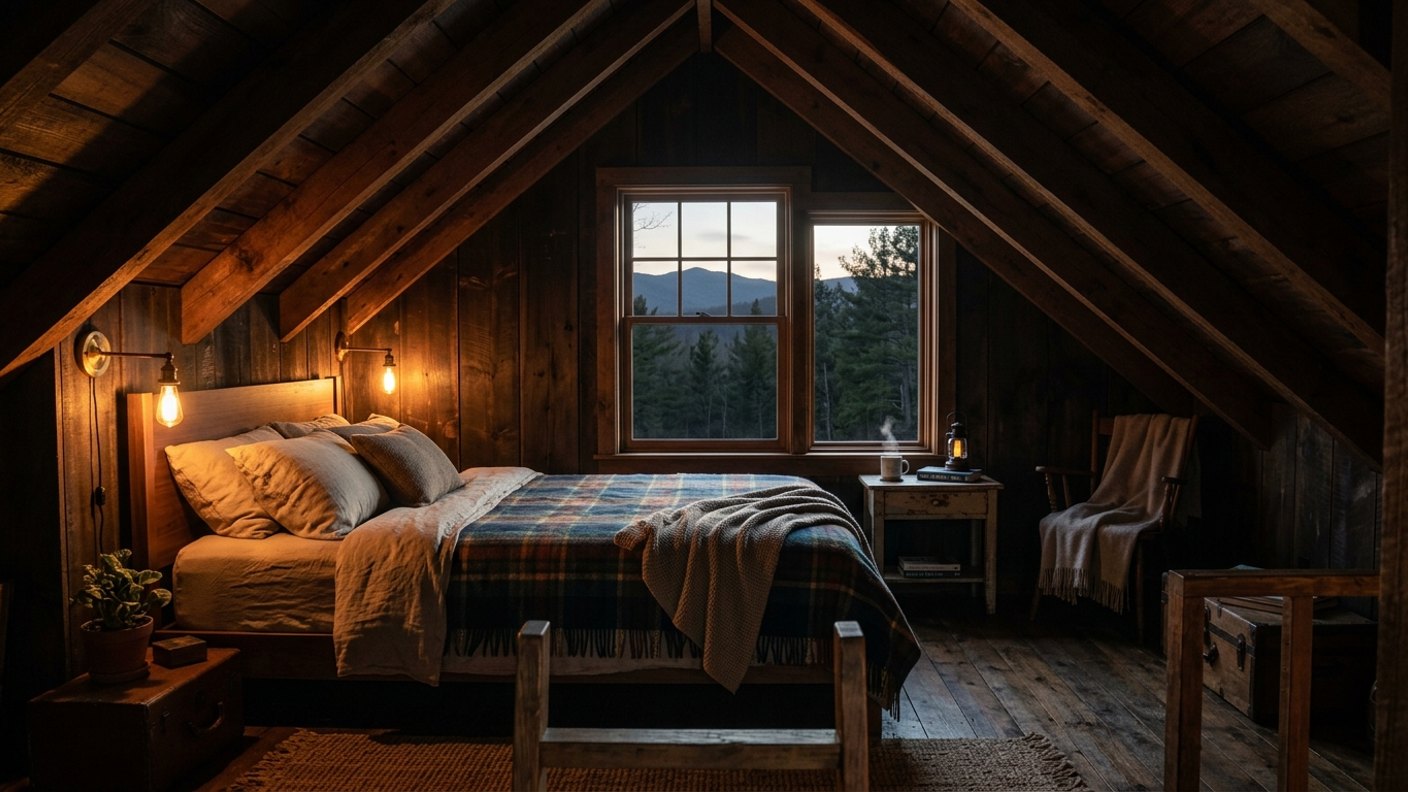
This is the lighting rule that's specific to lofts: nothing can hang down into your scarce head space. So I use wall-mounted and low-profile fixtures, wall-mounted reading lamps beside the bed, small sconces, and only carefully placed hanging lights where there's room. Warm light that lives on the walls gives a loft everything it needs without anything to crack your head on in the dark.
Beat the Heat
Heat rises, and lofts trap it, so a loft that's lovely in spring can be unbearable in summer without ventilation. I make sure there's a way to move air, an opening window, a vent, a fan, because a stifling loft goes unused as surely as a dark one. Ventilation is the unglamorous detail that decides whether a sleeping loft works in July, not just January.
Make It Worth the Climb
Finally, I make the loft somewhere nice, a real mattress, good warm reading light, a window with a view, a cozy low-ceilinged character you lean into rather than fight. A loft will never be a full bedroom, but reworked well it's a wonderful, characterful place to sleep that earns its keep in a small cabin. Make it worth the climb and people will happily make it.
Gear & lighting in this post: wall-mounted reading lamps and hanging lights for the bedroom