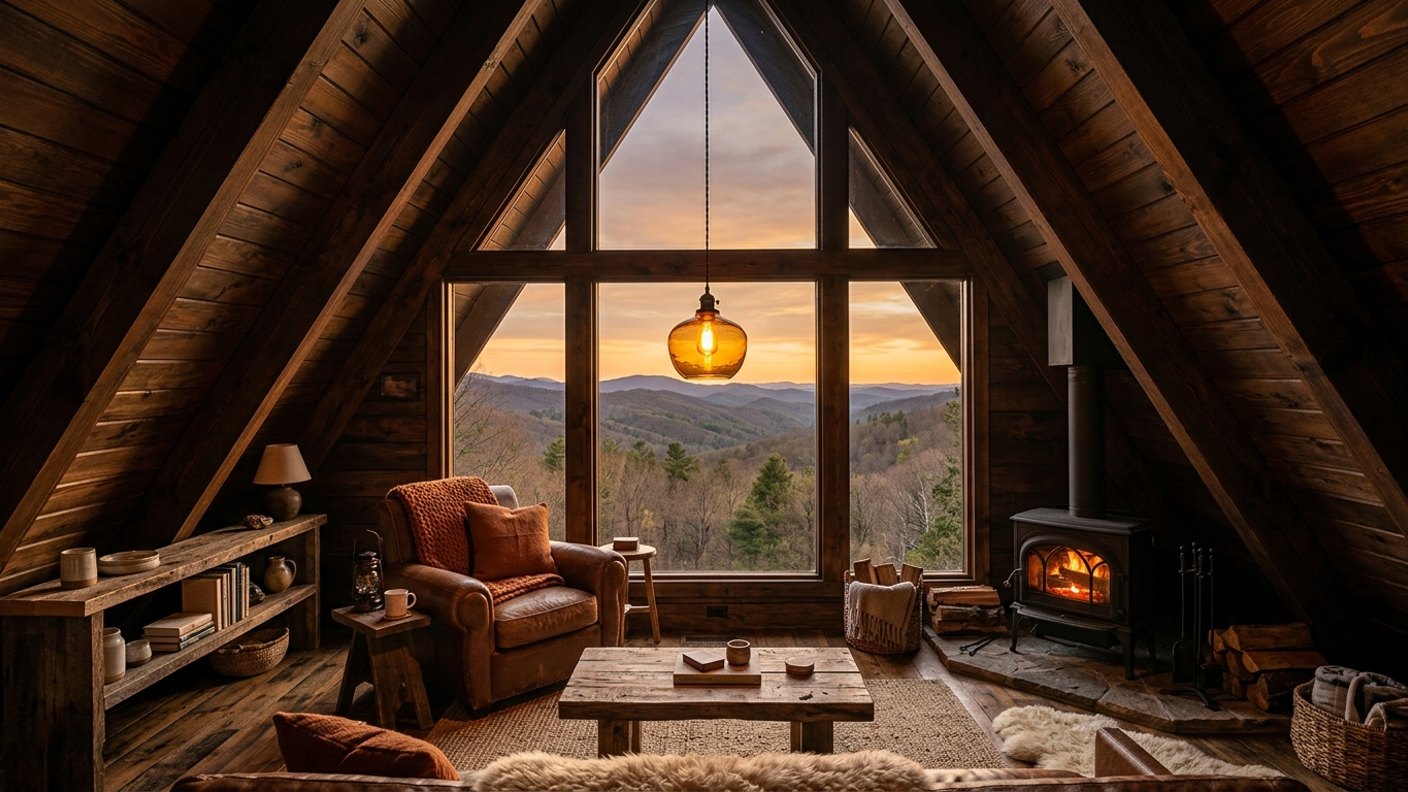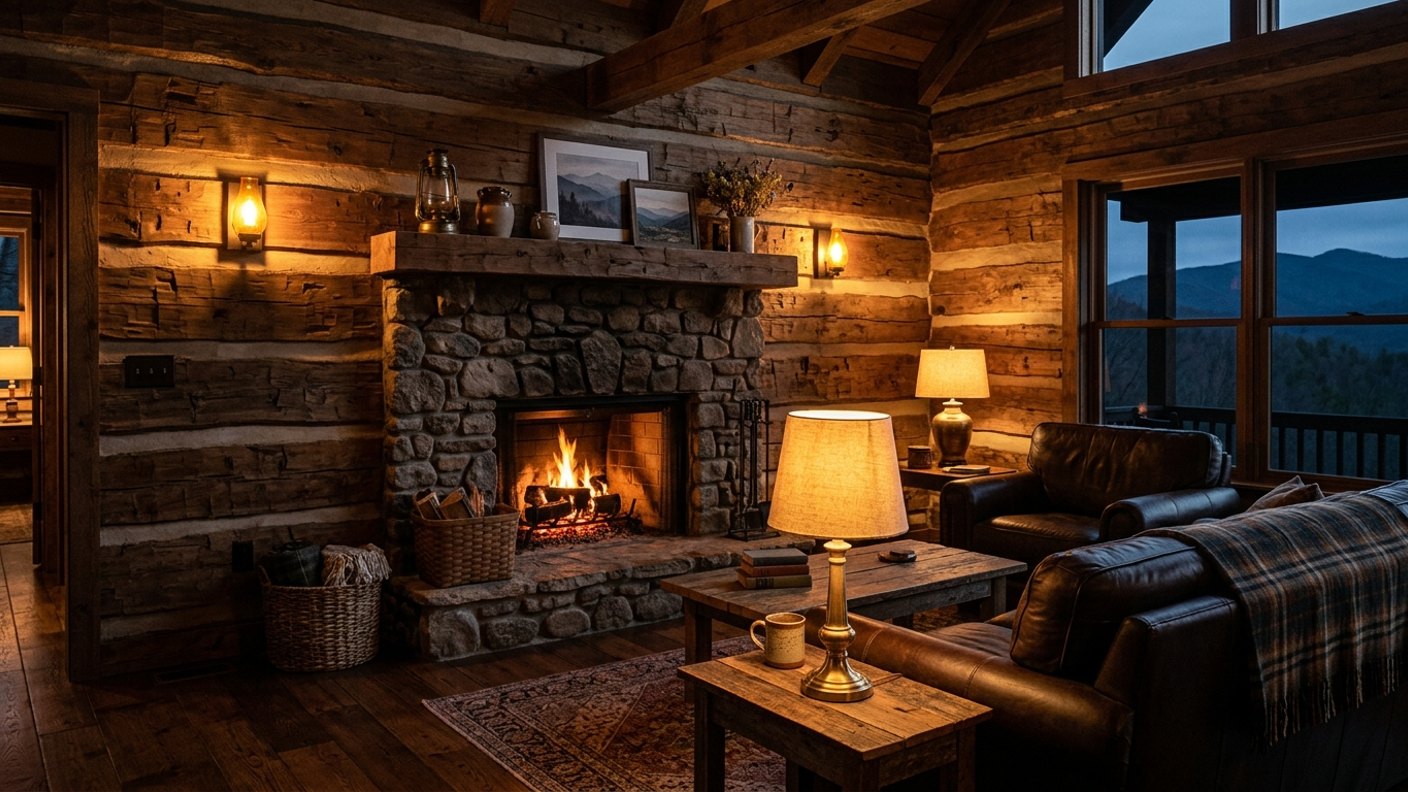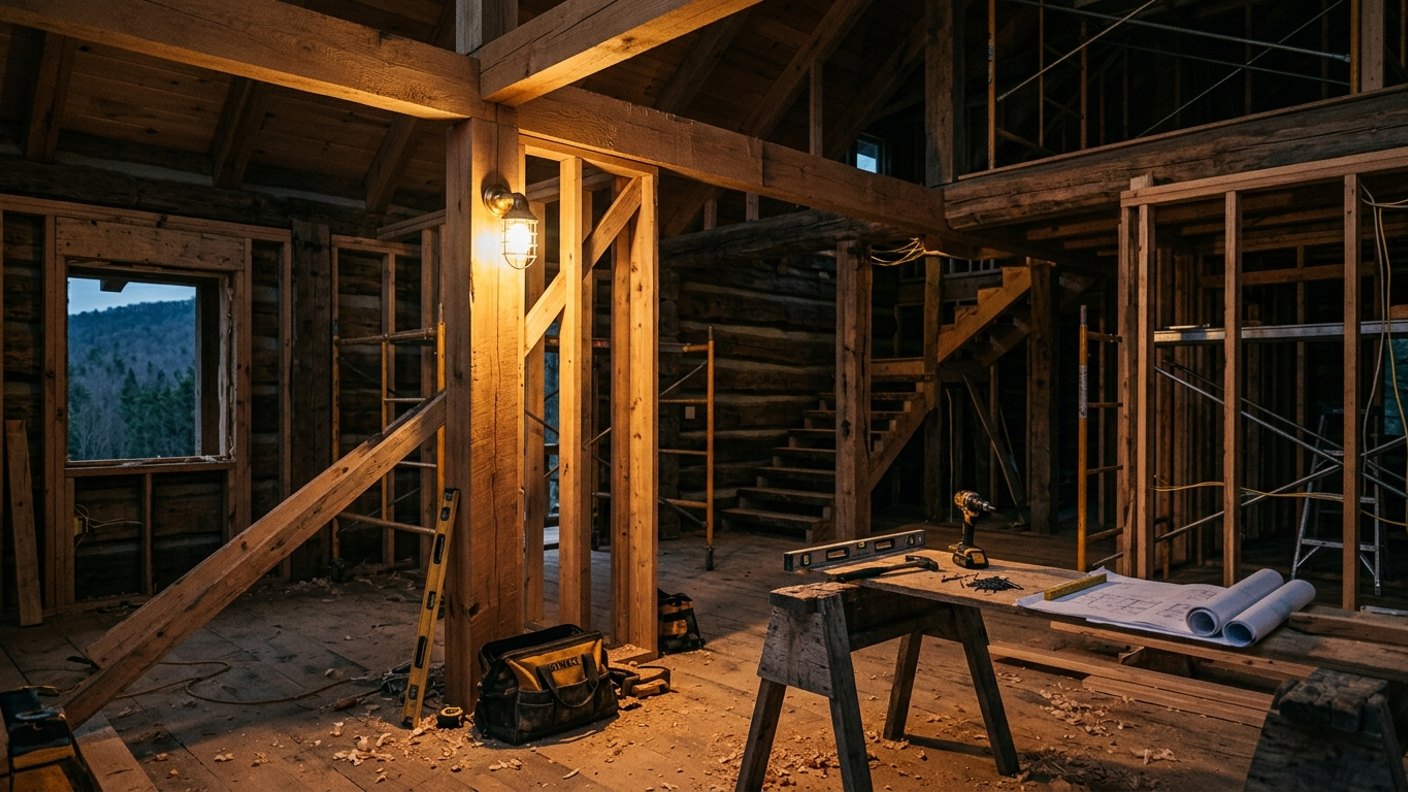
My first cabin gut was equal parts education and disaster, and I paid full price for both. A full gut runs $100 to $150 a square foot once you're taking walls back to the studs. I tore out things I should have kept, kept things I should have torn out, and found enough nasty surprises behind the walls to fund a small horror film. It came good in the end, but I made every mistake so you don't have to. Here's what gutting my first cabin actually taught me.
Don't Gut What You Don't Have To
My biggest early mistake was tearing out too much. I gutted with enthusiasm and stripped out character I could never get back, when most of it just needed cleaning up. The lesson: gut only what's damaged, dangerous, or dead. And preserve everything sound. A cabin's value lives in the very surfaces a heavy-handed gut destroys. Restraint isn't laziness; it's the whole skill.
The Walls Were Hiding Things
Every cabin hides at least one unpleasant surprise, and mine hid several, soft rot where water had been sneaking in for years, wiring that should never have passed for safe. And zero insulation in walls I'd assumed were fine. Opening a cabin up is when you discover what you actually bought. It's also why you never trust the surface; the truth is always behind it.
Budget for the Surprises
Because of all that, the number I started with was fiction. I learned to carry a real contingency, at least 15 to 20 percent on top of the plan, because the cabin renovation that lands exactly on the original estimate is a myth. The contingency isn't pessimism. It's the money that keeps a nasty discovery from becoming a stalled, half-gutted cabin you can't afford to finish.
Order of Operations
I did things out of order and paid for it, finishing a wall I then had to reopen for wiring. Now the sequence is sacred: envelope and structure, then systems, then insulation and walls, then floors, then kitchen and bath, then lighting and finishes dead last. Do it in that order and you never destroy your own finished work. Out of order, you pay for the same room twice.
Systems Before Surfaces
The corollary I learned the hard way: get the wiring, plumbing, and heat right while the walls are open, even the parts you can't see. It's miserable, invisible work, and skipping it to get to the fun finishes is the most expensive shortcut there is. Buttoning up a wall over bad systems just means tearing it back open later. Do the boring right things while it's easy.
Lighting Goes In Last, Planned First
Lighting comes at the very end, but I learned to plan it at the very beginning, where the sconces go, where a pendant hangs, what's switched from where. On the first cabin I treated lighting as an afterthought and ended up with extension cords and regret. Plan the warm, layered lighting up front even though it's installed last, and the whole cabin comes together instead of getting an awkward final-week scramble.
Keep a Record
I wish I'd photographed everything as I opened it up, where the wiring ran, what was behind each wall, how it all went together. On every cabin since I've documented the guts before I close them, and it's saved me endlessly when something needs fixing later. The walls forget what they were hiding the moment you close them; a few photos remember for you.
It Was Worth It
For all the mistakes, gutting that first cabin taught me more than any number of clean, easy jobs would have. I learned what's worth keeping, how cabins fail, and the order that keeps a renovation from eating itself. The cabin came out warm and solid, and I came out knowing how to do this. A rough first gut, done thoughtfully, is the best apprenticeship there is.
Gear & lighting in this post: warm wall sconces and a wood pendant